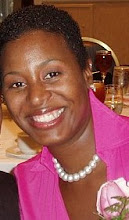
As a former admissions director, I couldn't agree with this article more. If you have a teen (or know of a teen) going through this difficult situation, please she these helpful tips!
~The Admissions Director
Dirty Secrets of College Waitlists
by Kathleen Kingsbury
March 30, 2009 6:01am
As acceptance letters hit mailboxes, record numbers of students could be stuck in waitlist limbo. In a Daily Beast exclusive, admissions officers dish about the tricks of getting in off the list—and why you shouldn’t send cookies.The waitlist. It’s the fate that awaits hundreds of thousands of high school seniors this week as they open college admissions letters. The bad news? As few as 15 percent will make it off the waitlist at the most selective schools, and waitlists are likely to be longer this spring than ever before.“We always have the parents who want to buy us a Mercedes or pay our mortgages. Usually we’d laugh them off, but money is tight this year. I’m telling my staff: Send them directly to the development office.”The prospect of waiting even longer for a final answer can drive students—and their parents—to desperate acts. “I had one mother last year who called me every single day for two months, sometimes multiple times a day,” says an admissions officer at an Ivy League school. “I finally had to say, ‘Your son is not getting in and you may wish to seek psychiatric help for yourself.’” (Jump to the next page for more quotes and stories from admissions officers)But this may also be the year that waitlisted students have the best shot ever of getting in… if they’re smart about it, because more students may turn down their top choices. As the economy continues to spiral downward, admissions officers say they have little sense of what to expect in terms of waitlist activity over the next two months.That’s because this waitlist season appears to be shaping up to mimic last year’s—a spring that totally baffled admissions departments nationwide. Several factors made the admissions cycle volatile: the high school class of 2008 numbered nearly 3.4 million, the largest in U.S. history; there was a swell of kids submitting eight or more college applications; and Princeton, the University of Virginia and Harvard got rid of early admissions. Add in the precarious economy, and dozens of colleges overestimated their “yield”— the percentage of admitted students who ultimately enrolled.“It got harder to separate the very committed from the applicants just window-shopping,” Barmak Nassirian, associate executive director of the American Association of Collegiate Registrars and Admissions Officers. “Schools hedged their bets by upping the number of applicants they put on the waitlist.”Certain schools suddenly found themselves in an unprecedented position: selling their programs to talented applicants. Harvard ended up taking some 200 students from its waitlist, up from 50 the previous year. Princeton and Boston College both doubled their number of waitlist offers; the University of Pennsylvania let in one-third more. Swarthmore College’s Dean of Admissions Jim Bock tells the story of one girl who wrote a letter exuding her deepest desire to attend Swarthmore and promising it was her first choice. But when he offered her a spot off the waitlist, she turned him down. "She said, 'Why didn't you just take me in April?’” Bock says.So what's the secret to getting in off the waitlist? The Daily Beast spoke with high school guidance counselors, college consultants, and current and former admissions officers around the country about the best strategies for getting out of limbo and into your first choice.Be persistent “Write the school, call, follow up, update your grades and send an extra teacher recommendation letter. Let them know it's your first choice and where else you got in. You can't just sit around and wait for a miracle.” — Michele Hernandez, former admissions officer at Dartmouth College and author of A is Admissions: The Insider's Guide to Getting into the Ivy League and Other Top Colleges But don’t pester “I had one mother last year who called me every single day for two months, sometimes multiple times a day. She couldn’t help herself. I finally had to say, ‘Your son is not getting in and you may wish to seek psychiatric help for yourself.’” — Ivy League admissions officerFollow the rules “We tell students: Send additional academic information only. Still, students will send us seven additional recommendations, email us endlessly or have everyone they know call us. It doesn’t help. We know the affluent students from Long Island and California will fly here to tell how much they want to come, but we want a level playing field for the northwestern Indiana students who don’t have the gas money in their pocket to visit.” — Terry Knaus, senior associate director of admissions at Indiana University at Bloomington Work the system “Washington University in St. Louis has notoriously huge waitlists— they won’t even tell you how long. My bet is they put over 10,000 kids on the waitlist every year for a class of 1,350. The thing is, though, they don’t count you on the waitlist until you tell them it’s your first choice. It’s a despicable practice, but it’s a popular place and they can get away with it.” — Jon Reider, director of college counseling at San Francisco University High School Let schools know you can pay “It never hurts to remind schools know you will be a full-paying student, especially this year. The rules even change at need-blind schools when it comes to the waitlist. It’s not an official practice, but admissions officers are human. They know endowments are down and cost-cutting is essential. If a full-paying student says he’ll definitely come, letting him in can be a relief.” — Karen Crowley, consultant for College Coach, a national education-consulting firm, and former admissions officer at the University of Pennsylvania It’s probably too late for bribes… “Anyone using the development angle successfully has started much earlier, probably last fall at the latest. And families who can build buildings don’t just pop a check in the mail. They are much more tasteful, major gifts officers seek them out. If only to spare the child the stigma that they’ve paid their way in.” — private college counselor Nina Marks, formerly director of college guidance at Washington, D.C.’s National Cathedral School…except perhaps this year “We always have the parents who want to buy us a Mercedes or pay our mortgages. Usually we’d laugh them off, but money is tight this year. I’m telling my staff: Send them directly to the development office.” — Director of admissions at a small New York liberal arts college It pays to be coy “Last year was basically a total [mess]. Admissions folks’ biggest fear is not filling their class, and we were about 100 students short. Students flaunted their five other offers, even at state schools or schools not in our tier. I was on the phone begging some of our most-sought-after kids to come. I never have to do that, but I wouldn’t be surprised if I had to do it again this year.” — Admissions officer at an elite Midwestern private universityLeverage your offers “Vanderbilt will probably end up the hottest school this year. They can offer a lot of good merit aid. We already had kids last year turning down Duke, Georgetown and Penn to go to Vanderbilt with lots of money. So why not use a more lucrative offer to try to get off the waitlist? Then again, with financial things so bad, Vanderbilt’s admit rate could go below 20% this year.” — Gavin Bradley, college counselor at Atlanta’s Pace Academy and former admissions officer at Columbia University Sweets don’t work “We always have people bringing us cookies and cakes. It’s terrible for my waistline and it doesn’t work. One young woman sent a box of red and gray M&Ms, some stamped with her name, some with ‘Wants UGA.’ They’re still on my desk, but I don’t even remember her name…We did let her into our January class, but she was not too pleased about that. Her mother called to complain.” — Nancy McDuff, director of admissions at the University of Georgia Neither do pineapples "We get the pineapples from Hawaii and the cookies and candy. One girl had a petition signed by the mayor and everyone in her town. She even had the dean of Swarthmore sign it when she came on a campus tour. It was clever. Those things don't get you in, but they put you on our radar.“But they can backfire. We heard about one guy who was writing [online] about how badly he wanted to go to Swarthmore, but he was waitlisted. He was saying some pretty nasty things about us. He also said we shouldn't have listened to his teachers' recommendations, which were, in fact, glowing. It was anonymous, but he said where he lived and we'd only put one boy on the waitlist from that state, so we knew who it was. So we just didn't want to go there. You have to be careful what you put on the Internet. We don't go looking, but we can't ignore it when we hear about it." – Jim Bock, Swarthmore College Pen a tune “I always tell students that, at this stage of the game, a gimmick won't hurt. It's go-for-broke time. I know one student who sent admissions folks a photo of himself in front of the gates of a rival college, adding a clever caption about what his fate would be if he moldered on the waitlist. An aspiring composer [could] write an ‘Ode to Oberlin’ or a budding poet pen ‘The Ballad of Barnard.’ Yet you have to be aware that what tickles the fancy of one admissions officer may make a colleague barf.” — College Confidential counselor Sally Rubenstone, a former admissions officer at Smith CollegeNo, really, pen a tune “We had a student years ago who used the music of our alma mater and wrote new words telling us why we should admit them. Creative and cute, but not over the top.” — Jean Jordan, director of admissions at Emory University Don’t repeat yourself “One of our applicants when I was at Penn wrote his essay on baking popovers, and one day he showed up at the office with a batch of freshly baked popovers. We all thought it was fairly ingenious— until we heard through the grapevine he did the same thing at Princeton.” — Karen Crowley, consultant for College Coach, a national education-consulting firm, and former admissions officer at the University of Pennsylvania Make up your mind “We offered a spot to a student off the waitlist a few years ago only to find he’d made deposits at two other Ivy League schools before May 1 as placeholders. Before May 1, double deposits are unethical and illegal. It’s also stupid. We ended up rescinding our offer, and I heard the other schools did as well.” — former Ivy League admissions officer Get psyched about where you did get in “For day one, I tell kids to be excited about the schools they did get into. They applied to those schools for some reason in the first place, and that school thought they’d be a good fit. It also puts you in a better bargaining position if another offer does come around.” — Brad MacGowan, college counselor at Massachusetts’ Newton North High SchoolAnd don’t count on the waitlist “I can’t stress this enough to families: Put a deposit in at some school before May 1. Yes, more and more are willing to walk away from that money if a better offer comes in, but we hear terrible stories all the time about kids who ended up with nowhere to go in the fall.” — Brian Hazlett, director of recruitment at Binghamton University Kathleen Kingsbury is a writer based in New York. She's a contributor to Time magazine, where she has covered business, health and education since 2005
Sunday, April 12, 2009

What to do if you've been waitlisted
What to Do if You're Wait-Listed
Bridget Kulla
You finally get that long-awaited letter from your top-choice school … and you haven’t been accepted or rejected, you’ve been wait-listed. Suddenly you’re in admissions limbo. Here’s what you should do while you wait to learn your admissions fate. Don’t Let It Get You Down It’s easy to view being placed on the wait list as a rejection. While it’s no easy task getting off the wait list, it’s not impossible either. Colleges use wait lists when they’ve accepted the maximum number of applicants, but still view some applicants as well qualified. The wait list is a safety net colleges use to fill their class if not enough accepted students enroll. Don’t get down if you’ve been placed on the wait list. “Don’t beg or plea – that’s not helpful for an admissions counselor,” says Sonja Montiel, president of College Confidence, an independent college counseling service. While you shouldn’t feel dejected, keep in mind that your chances of being accepted from the wait list are slim. Instead of wasting time feeling down, take action to get off the wait list. Decide Whether You Want to Stay on the Wait List You have the option to remain on or remove yourself from the wait list. If you want to stay on the list, return the form indicating your interest to the college as soon as possible. If you’ve been placed on several lists, there’s no reason why you can’t stay on more than one. Find Out What Your Chances Are The number of students on wait lists varies. On average, 27 percent of all students who were wait-listed eventually gained admission, according a National Association for College Admission Counseling (NACAC) report. Check if the college ranks its wait list and ask if you can know your rank. If your school doesn’t prioritize its list or won’t tell you your rank, look at how many students were accepted from the wait list in the past. You can request information on how many students were accepted from previous wait lists, according to the NACAC “Statement of Students’ Rights and Responsibilities in the College Admissions Process.” Let the College Know You’re Interested Don’t just wait out the wait list – make an active effort to get onto the roster of admitted students. “When a student receives a letter saying that they’ve been put on the waiting list, they should respond to the college immediately,” Montiel says.Write the admissions office and emphasize your sincere desire to attend their school. Don’t have your parents or counselors contact the school on your behalf. “It’s really important that colleges hear directly from the student at all times and not from the parent” Montiel says. Find out who represents your region in the admissions staff and send them an email explaining your situation and expressing your growing interest in attending their institution. Be specific and name courses, professors, extracurricular activities, sports teams and other features of the college that you’re excited about and that match your goals. Continue to Brag Keep the admissions office updated on your latest grades, achievements and honors. Maintain email contact with your regional admissions representative, but don’t swamp them. “Sending an email on a weekly basis saying the same thing dilutes the significance of whatever that student is sharing, “ Montiel says, “If it’s not new, don’t email the admissions counselor.” Send in a new letter of recommendation that shows you in a different perspective. You may be reevaluated on this new information and it shows the college that you are serious.Get On With Your Life Make plans to attend another school. Send in your deposit to secure a place at your second-choice college. “This whole waiting list thing is about expectations and once students are able to let that expectation go, then they really find the value in the other college,” Montiel says. Even if you’re disappointed, you’ll probably find yourself happy at your second-choice school. What to Do If You are Accepted Congratulations, all your hard work paid off, but being admitted late will cost you. If you end up being accepted from the wait list, you’ll have to forfeit the deposit you made at the college where you enrolled. Students admitted from the wait list may not have the same financial aid or housing opportunities of those accepted during the first round. NACAC’s statement of student rights requires schools to answer students’ questions on how being on the wait list will affect housing and financial aid. Reevaluate the school and decide if you’re still interested enough to back out of the school where you’ve already committed.
Bridget Kulla
You finally get that long-awaited letter from your top-choice school … and you haven’t been accepted or rejected, you’ve been wait-listed. Suddenly you’re in admissions limbo. Here’s what you should do while you wait to learn your admissions fate. Don’t Let It Get You Down It’s easy to view being placed on the wait list as a rejection. While it’s no easy task getting off the wait list, it’s not impossible either. Colleges use wait lists when they’ve accepted the maximum number of applicants, but still view some applicants as well qualified. The wait list is a safety net colleges use to fill their class if not enough accepted students enroll. Don’t get down if you’ve been placed on the wait list. “Don’t beg or plea – that’s not helpful for an admissions counselor,” says Sonja Montiel, president of College Confidence, an independent college counseling service. While you shouldn’t feel dejected, keep in mind that your chances of being accepted from the wait list are slim. Instead of wasting time feeling down, take action to get off the wait list. Decide Whether You Want to Stay on the Wait List You have the option to remain on or remove yourself from the wait list. If you want to stay on the list, return the form indicating your interest to the college as soon as possible. If you’ve been placed on several lists, there’s no reason why you can’t stay on more than one. Find Out What Your Chances Are The number of students on wait lists varies. On average, 27 percent of all students who were wait-listed eventually gained admission, according a National Association for College Admission Counseling (NACAC) report. Check if the college ranks its wait list and ask if you can know your rank. If your school doesn’t prioritize its list or won’t tell you your rank, look at how many students were accepted from the wait list in the past. You can request information on how many students were accepted from previous wait lists, according to the NACAC “Statement of Students’ Rights and Responsibilities in the College Admissions Process.” Let the College Know You’re Interested Don’t just wait out the wait list – make an active effort to get onto the roster of admitted students. “When a student receives a letter saying that they’ve been put on the waiting list, they should respond to the college immediately,” Montiel says.Write the admissions office and emphasize your sincere desire to attend their school. Don’t have your parents or counselors contact the school on your behalf. “It’s really important that colleges hear directly from the student at all times and not from the parent” Montiel says. Find out who represents your region in the admissions staff and send them an email explaining your situation and expressing your growing interest in attending their institution. Be specific and name courses, professors, extracurricular activities, sports teams and other features of the college that you’re excited about and that match your goals. Continue to Brag Keep the admissions office updated on your latest grades, achievements and honors. Maintain email contact with your regional admissions representative, but don’t swamp them. “Sending an email on a weekly basis saying the same thing dilutes the significance of whatever that student is sharing, “ Montiel says, “If it’s not new, don’t email the admissions counselor.” Send in a new letter of recommendation that shows you in a different perspective. You may be reevaluated on this new information and it shows the college that you are serious.Get On With Your Life Make plans to attend another school. Send in your deposit to secure a place at your second-choice college. “This whole waiting list thing is about expectations and once students are able to let that expectation go, then they really find the value in the other college,” Montiel says. Even if you’re disappointed, you’ll probably find yourself happy at your second-choice school. What to Do If You are Accepted Congratulations, all your hard work paid off, but being admitted late will cost you. If you end up being accepted from the wait list, you’ll have to forfeit the deposit you made at the college where you enrolled. Students admitted from the wait list may not have the same financial aid or housing opportunities of those accepted during the first round. NACAC’s statement of student rights requires schools to answer students’ questions on how being on the wait list will affect housing and financial aid. Reevaluate the school and decide if you’re still interested enough to back out of the school where you’ve already committed.
Subscribe to:
Posts (Atom)